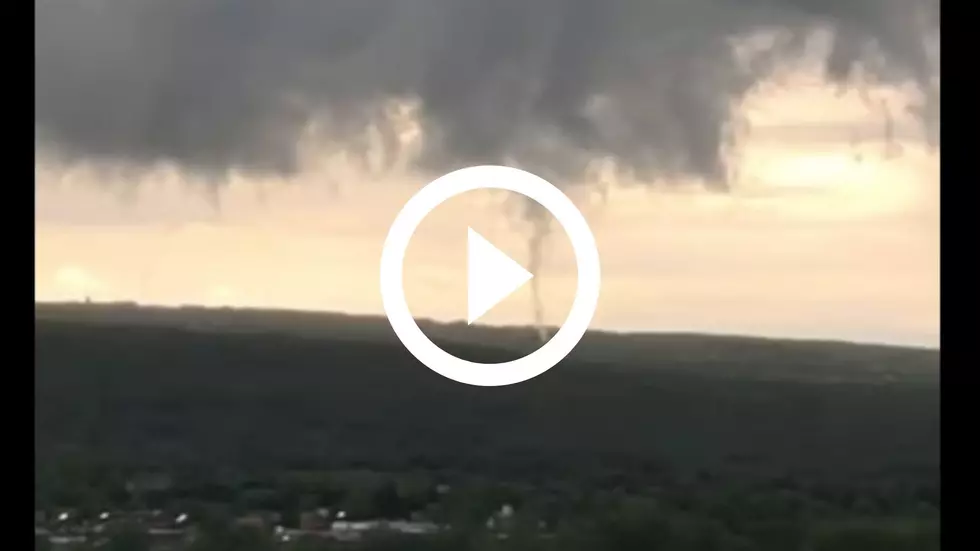
New Yorkers Can Train To Become Storm Spotters For Free
They’re just regular ole people.
The National Weather Service’s SKYWARN program is once again offering free storm spotter training sessions across New York, teaching volunteers how to identify dangerous weather and report it directly to meteorologists in real time.
What Is SKYWARN?
SKYWARN is a nationwide volunteer program that helps the National Weather Service track severe weather as it’s happening. While radar, satellites and lightning detection systems have improved dramatically over the years, meteorologists still rely heavily on trained spotters on the ground.
Read More: Grill Fires Spike During Memorial Day Weekend, Officials Warn
Radar can tell forecasters a storm looks dangerous. But it can’t always tell them if quarter-sized hail is smashing windshields in your neighborhood or if rotation is actually forming near the ground.
That’s where trained spotters come in.
According to the National Weather Service, spotters serve as the “eyes and ears” of communities during severe weather events and help forecasters make faster, more accurate warning decisions that can ultimately save lives.
What You Learn In Training
The free training sessions typically last about 90 minutes to two hours and cover things like:
- How severe thunderstorms and tornadoes form
- The difference between dangerous storm rotation and harmless look-alike clouds
- Flash flooding and winter weather reporting
- How to safely spot storms without putting yourself in danger
- Proper procedures for reporting severe weather to the National Weather Service
Participants will also learn how the National Weather Service warning system works and what meteorologists actually need reported during a storm.
Read More: Saratoga And Fort Ticonderoga New York America250
Once training is complete, participants receive official SKYWARN spotter information and direct reporting instructions for the National Weather Service.
You Don’t Need To Be A Meteorologist
One of the best parts? You don’t need fancy equipment or a science degree to help.
The program is free, open to the public and designed for everyday people who are interested in weather and community safety.
Some volunteers go all in with rain gauges and weather stations. Others simply learn what to look for and report what they see while driving home from work or watching a storm roll through their neighborhood.
The National Weather Service says there are currently thousands of trained spotters across New York.
Kids Can Get Involved Too
If you have a weather-obsessed kid at home, this might actually be their dream activity.
While official spotter requirements vary by region, kids as young as 12 or 13 can participate alongside an adult in many SKYWARN programs.
Read More: Hantavirus Suspected In Ontario County
And honestly? Some middle schoolers probably know more about clouds than the rest of us combined.
Upcoming Virtual Training Session
The National Weather Service Buffalo office is hosting a virtual SKYWARN training session on:
Wednesday, May 20, 2026 at 7 p.m.
The training focuses on severe thunderstorms, tornadoes, flash floods, severe weather safety and storm reporting procedures.
Additional virtual and in-person sessions are also scheduled throughout New York this spring and summer.
Top Signs a Thunderstorm Could Turn Severe And When to Head to Safety
Gallery Credit: Unsplash
How to Keep Your Home Cool This Summer Without Blowing Your Budget
More From Lite 98.7