This Upstate New York Cemetery Is Home to MILLIONS of Bees
You might not expect a cemetery to be one of the most important places for pollinators in New York… but that’s exactly what researchers just found.
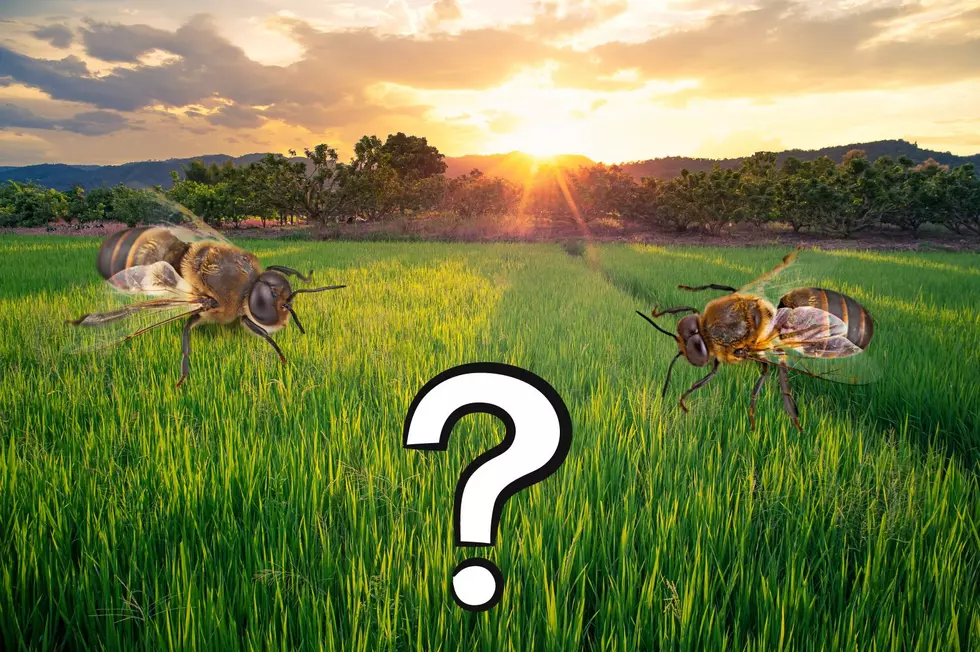
A new study out of Cornell University has uncovered millions of ground-nesting bees living in a cemetery in Ithaca, and the numbers are honestly kind of mind-blowing.
A Massive Bee Population Hidden in Plain Sight
According to the study, researchers documented an estimated 3.1 to 8 million solitary bees living in one area of East Lawn Cemetery, with an average of about 5.5 million bees emerging in a single season.
Let that sink in for a second.
That’s the equivalent of hundreds of honey bee hives, all packed into a relatively small space. Even more surprising is that this colony may have been there for decades. Possibly as far back as the 1930s.
These Aren’t Your Typical Bees
The species at the center of this discovery is called Andrena regularis, a type of solitary, ground-nesting bee.
Read More: Pet Owners Can Donate Fur to Help Clean Up Oil Spills
Unlike honey bees, they don’t live in hives, produce honey or sting... unless they are handled. But what they do do is incredibly important: pollinate crops and plants.
And there are a LOT of them. Researchers collected over 3,200 insects across 16 species, with this one bee species making up the overwhelming majority.
Why These Bees are Important for New York Agriculture
These bees are major pollinators for crops like apples, cherries, blueberries, and strawberries, all things that are huge for our region.
In fact, the study found that these bees are among the top pollinators in New York apple orchards. They can be even more effective than honey bees per visit.
Read More: Saranac Lake Ranked One of the Most Snake-Filled Waters in US
And get this, the cemetery is located just 600 meters from a Cornell apple orchard, meaning this massive bee population is likely helping directly with pollination nearby.
Their Timing Is Everything
The bees emerge in early spring, right when fruit trees start blooming.
Researchers tracked their activity over about six weeks and found that males emerge before female bees when temps hit around 68°F (20°C). Their lifecycle lines up perfectly with flowering crops.
Not All Good News: Parasites Exist Too
Like anything in nature, it’s not all smooth sailing.
The study also found bee parasites (including other bees, flies, and beetles) with a relatively low parasitism rate of about 1.4%.
That’s actually lower than expected, which researchers say is a good sign the population is healthy and stable.
Why a Cemetery?
This might be the most surprising part.
Cemeteries can actually be perfect habitats because they have undisturbed soil are regularly maintained but not overdeveloped and provide consistent green space.
Researchers say places like this can act as “refuges” for important species, especially in more developed areas.
What Colors To Avoid Around Bees
Gallery Credit: Shannon Buccola
5 Nasty Bees and Wasps That May Be Waiting to Sting You
Gallery Credit: Michelle Heart
More From Lite 98.7